
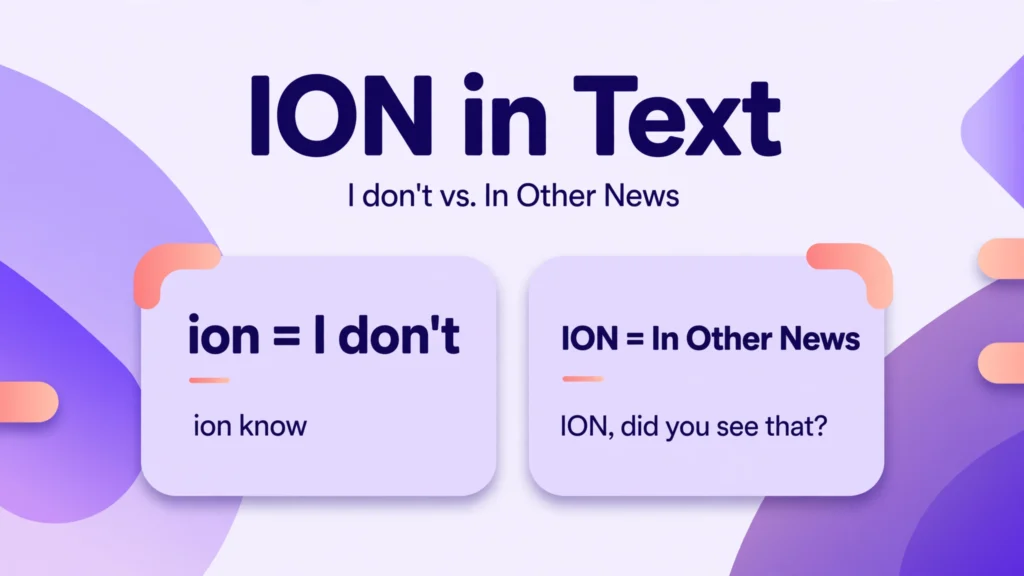
ION Meaning in Text: What It Means and How to Read It
“ION” can mean two very different things in texts: “I don’t” or “in other news.” Here’s how to read each one, how to tell them apart, and what to send back.
“ION” can mean two very different things in texts: “I don’t” or “in other news.” Here’s how to read each one, how to tell them apart, and what to send back.
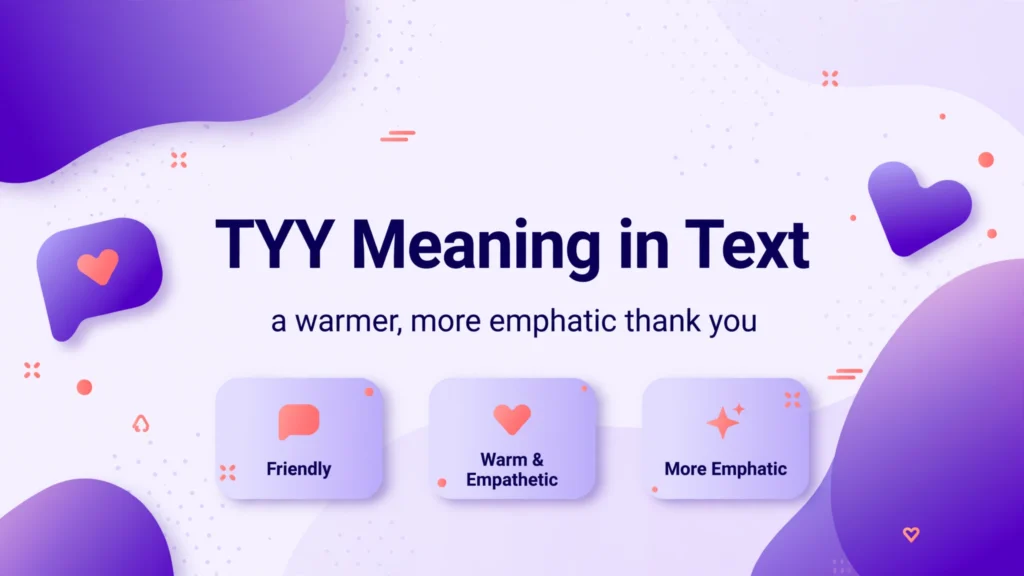
TYY is a warmer, more emphatic way to say “thank you” in texts — like a digital hug of gratitude. Here’s what it means, when to use it, and what to send back.
OMK usually means ‘on my kids’ — a strong oath of truthfulness in texts. Here’s what it means, the other readings, and how to reply.
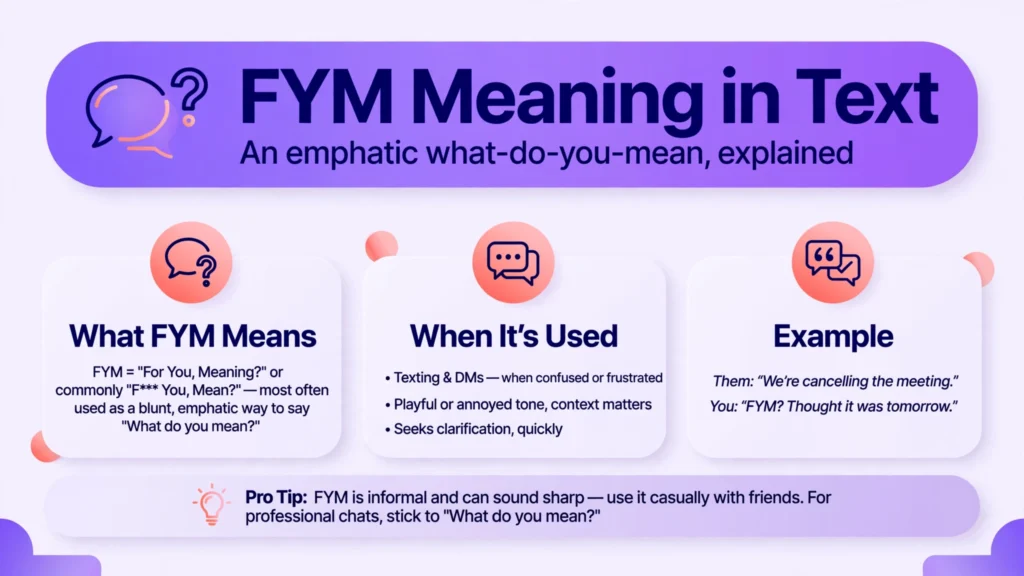
FYM is an edgy, emphatic way to say ‘what do you mean?’ in texts — playful teasing among friends, a real challenge in arguments. Here’s how to read it and reply.
PTSO is the comment section’s shorthand for ‘put that stuff on’ — a compliment for someone’s outfit and confidence. Here’s what it means and how to reply.
TMP in a text usually means ‘text me please’ — a casual nudge to message back. It can also mean ‘too much pressure’ or ‘temporary’ depending on context.
NTY means “no thank you” in texting — a quick, polite way to decline an offer or invitation. Learn how to use it, soften the tone, and reply when you get one.
Aww is the sound of warmth in text form — affection for something cute, gratitude for something kind, or sympathy for something sad. Here’s what it means and how to reply.
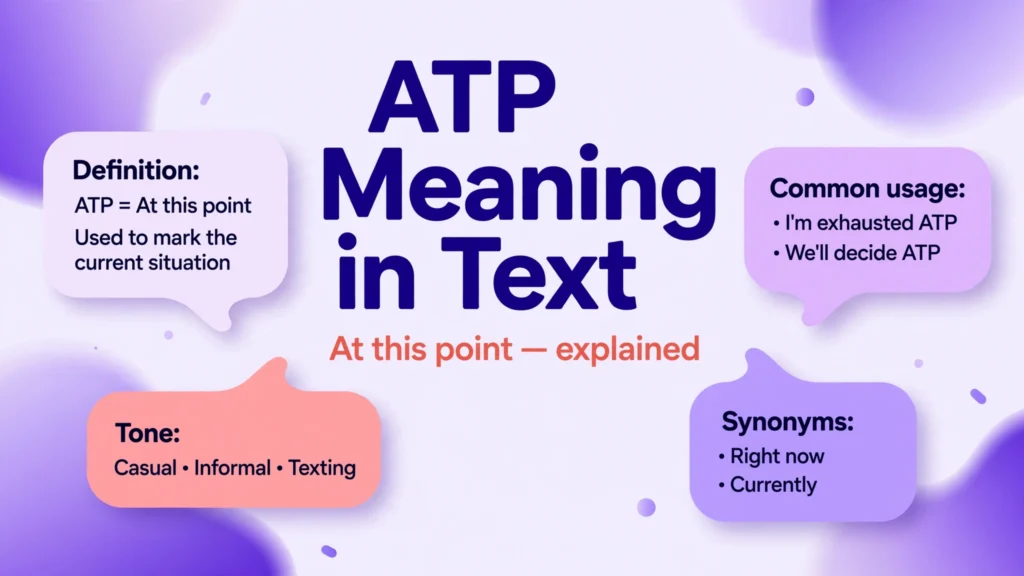
ATP almost always means ‘at this point’ in a text — a small emotional checkpoint, not tennis or biology. Here’s how to read it and what to send back.
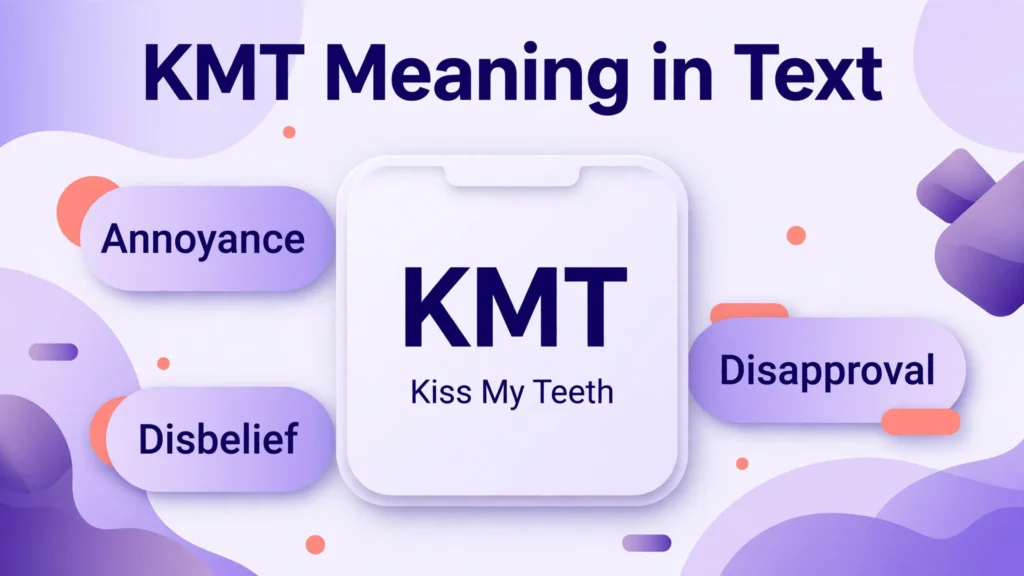
KMT means ‘kiss my teeth’ — the typed version of sucking your teeth in disapproval, with roots in Jamaican and Caribbean slang. Here’s how to read it.